8.13.2010

Health Boosting Foods At A Glance

Fruits and vegetables

  • acai berries 
  • alfalfa sprouts
  • apricots
  • asparagus
  • avocados
  • bananas
  • beets
  • berries 
  • broccoli 
  • brussels sprouts 
  • butternut squash 
  • cauliflower 
  • cherries 
  • chilies 
  • corn on the cob
  • dates
  • eggplants
  • fennel
  • figs
  • fresh herbs
  • garlic
  • ginger
  • globe artichokes
  • grapes
  • green beans
  • guavas
  • kale
  • kiwifruit
  • mangoes
  • mushrooms
  • okra
  • olives
  • oranges
  • papayas
  • peas
  • bell peppers
  • pineapples
  • plums
  • pomegranates
  • potatoes
  • pumpkins
  • radishes
  • raisins
  • rhubarb
  • rutabaga
  • seaweed
  • snow peas
  • spinach
  • sweet potatoes
  • tomatoes
  • watercress
  • watermelons
  • yams


Grains and legumes

  • aduki beans
  • barley
  • black beans
  • borlotti beans
  • brown rice
  • buckwheat
  • butter beans
  • chickpeas
  • flageolet beans
  • kidney beans
  • lentils
  • millet
  • haricot beans
  • oats
  • pinto beans
  • quinoa
  • rye
  • soy beans
  • spelt
  • wheat germ
  • wheatgrass and wheatgrass juice
  • whole-grain bread
  • whole-wheat pasta


Nuts and seeds


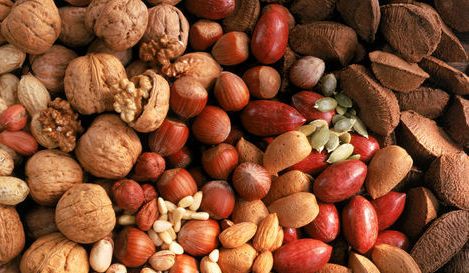
  • almonds
  • brazil nuts
  • cashews
  • hazelnuts
  • peanuts
  • pine nuts
  • walnuts
  • flaxseed (linseed)
  • poppy seeds
  • pumpkin seeds
  • sesame seeds
  • sunflower seeds


Top-scoring antioxidant foods


  • prunes
  • pomegranates
  • raisins
  • blueberries
  • blackberries
  • garlic
  • kale
  • strawberries
  • spinach
  • raspberries
  • brussels sprouts
  • plums
  • alfalfa sprouts
  • broccoli florets
  • beets
  • oranges
  • red grapes
  • red bell peppers
  • cherries
  • kiwifruits

Taken from     


Vitamins & Minerals


VITAMINS
There are two main types of vitamins -- fat-soluble and water-soluble ones.  The fat-soluble vitamins, A, D, E, and K, are stored in the body, and taking excessive amounts of them could be harmful.  The water-soluble vitamins, vitamin C and the B complex vitamins, are not stored in the body and are, therefore, needed in the diet every day.  Any excess amounts of these are excreted in the urine.

Vitamin A and beta-carotene

An antioxidant, vitamin A is essential for vision in dim light and for the maintenance of healthy skin and surface tissues.  It is stored in the liver and is toxic in excessive amounts.  Vitamin A can be made in the body from beta-carotene (often referred to as its precursor), which is found in leafy green vegetables and in orange-colored fruits and vegetables, such as carrots and apricots.


Vitamin D

Vitamin D is essential for maintaing healthy levels of calcium and phosphorus in the body and for building healthy bones and teeth.  The body makes its own vitamin D through the action of sunlight on the skin.  Dietary sources are of less importance, except for people who cannot go out or who do not expose their skin to the light.  Thirty minutes a day is sufficient.


Vitamin E

One of the top antioxidants, vitamin E fights free radicals and helps skin stay healthy.


Vitamin K

Vitamin K helps the body to make a number of proteins, one of which is necessary for blood clotting.


The B vitamins

The vitamin B complex comprises eight vitamins: thiamin (B1), riboflavin (B2), niacin (B3), pantothenic acid (B5), pyridoxine (B6), cobalamins (B12), biotin, and folate (also known as folic acid).

Some of the B vitamins are essential for the release of energy from the foods we eat; others are involved in making cells -- some make nerve cells, which is why a deficiency of certain B vitamins may result in depression. B6, B12, and folate make red blood cells.  These three also help protect the heart via their action on homocysteine, while folate helps protect unborn babies against spina bifida.


Vitamin C

Another antioxidant, vitamin C, is needed for the growth and maintenance of healthy connective tissue, for boosting immunity, and for helping the body to absorb iron.

For humans, vitamin C must come from the diet.  The best sources are certain fruits, particularly black currants, strawberries, kiwi fruit, guavas, and citrus fruits. (Cashew Fruit!!) Green salads and vegetables are also useful, particularly potatoes, because of the large quantities generally eaten.

Vitamin C in fruits and vegetables diminishes with storing and cooking.  Frozen vegetables may, therefore, sometimes have a higher vitamin C content than fresh vegetables that have been stored for some time.


MINERALS
Our bodies need minerals in the diet for the growth and maintenance of bones, cells, and tissues.  Some minerals -- for example, zinc, iron, and chromium -- are needed only in small quantities and are called trace minerals; others are required in much larger amounts.  The more important dietary minerals are calcium, iron, and zinc.  Phosphorus and magnesium are also important, but a diet that provides sufficient calcium will also provide adequate phosphorus and magnesium.

Calcium

Calcium is vital for forming and continually strengthening bones and teeth. In addition to strengthening bones and teeth, calcium acts as a natural tranquilizer, soothing irritability and aiding insomnia.


Iron

Iron is particularly important for the formation of hemoglobin, the red pigment in blood.  In theory, we are born with enough iron to last throughout life, however, if enough dietary iron is not eaten to restore any losses, anemia can result.


Zinc

An antioxidant, zinc is a trace mineral that helps in the healing of wounds, is involved in enzyme activity, and is essential for healthy sex organs and male reproduction.  


Vitamin and mineral requirements:

The amount of each vitamin and mineral we need changes according to our age, health, gender and level of activity.

  • Children generally need more vitamins because they are growing and active
  • Pregnant women are advised to take supplements of folate in the first twelve weeks of pregnancy
  • People over the age of 50 generally become less active so need less energy.  It is, therefore, important that the food that they eat is more nutrient-dense than the average diet

Burgers, Cookies & Pizza... Who says I can't still eat it?


The pics are not that great, they were taken from my cell phone.  I posted them anyway, because they show my beautiful kids enjoying a vegan lifestyle.  When Grandma visited, she found a vegan chocolate chip cookie recipe for my children.  They had a lot of fun baking cookies and bread with her. I also decided to put up a pic of them eating a vegan burger with fries. The bottom pic is a pizza I ordered. (Yep, I can still order food)  It is the crust, olive oil, and then topped with tomatoes, bell peppers, onions, mushroom, sauteed spinach, basil, artichoke hearts and roasted garlic.  It was the best! Mmmmm.

8.12.2010

Multivitamins, and random information

Do I need that? What are all of these crazy words listed on the side of my multivitamin bottle? 

I wondered that one time, and it's part of what made me pick up books and start reading.  A lot of people are familiar with the more common ones like calcium, iron, and zinc. (If you're not, don't worry - I'm not done... I'm just too sleepy tonight to get into that.  I will though... I will.) Not so commonly known are the trace minerals... so I thought I'd run through some of them real quick for you - just because I think information is something you should never keep to yourself.

Chromium: Works with insulin to balance blood sugar levels, helps lower cholesterol levels, and protects against heart disease.

Copper: Helps the body use iron and convert food into energy.

Fluoride: Helps protect teeth.

Iodine: Helps control metabolic activity.

Magnesium: Helps cells and muscles work efficiently. Helps the body use calcium and potassium.

Manganese: An antioxidant and important for bone structure and nerve function.

Phosphorus: Required for healthy cells, bones, and teeth.

Potassium: Helps in cellular growth and controlling blood pressure.  Also good for the nervous system and for regulating bodily fluids and the acid-alkali balance in the body.  Required for muscle activity and helps prevent cramping.

Selenium: A major antioxidant with anti-cancer powers.

Sodium: Helps regulate the body's water content and enables the nerves to function effectively.

I will add a more thorough explanation of what vitamins and minerals do for your body, and why you should make sure you base your diet around them, and take supplements to fill in the gaps you may be creating with choices ranging from McDonald's to Dominos.  TAKE YOUR VITAMINS


Some random facts for you, from the book Eating Animals by Jonathan Safran Foer.  I have just started flipping through this book tonight, so I will let you know what I think of it when I finish it.  I'll probably read it tomorrow night.  Yeah... that's what I do occasionally on a Friday night. And what! Say something...  ;) hehe


  • Americans choose to eat less than .25% of the known edible food on the planet.
  • Nearly one-third of the land surface on the planet is dedicated to livestock.
  • On average, Americans eat the equivalent of 21,000 entire animals in a lifetime.
  • In the typical cage for egg-laying hens, each bird has 67 square inches of space.
  • Animal agriculture makes a 40% greater contribution to global warming than all the transportation in the world combined; it is the number one cause of climate change.
  • Modern industrial fishing lines can be as long as 75 miles -- the same distance as from sea level to space.
  • Less than 1% of the animals killed for meat in America come from family farms.


Grilled Veggies

What vegan kids eat for dinner:


Which comes in handy for...


What vegan kids pack for lunch:

I'm not weak, or sickly. For those curious about vegan bodies...

Yearly Physical... =D

I'm just going to ramble... because that's what I do.


So today was my yearly physical.  I went to the Dr.'s appointment, and I was curious what my weight would be.  Who knows how reliable the scale I use at home is. So I step on to the scale, and I see her move the bottom to 150 which is normal.  Then I see her move the top to the 22 and it was too heavy! I weighed in at...
----- 170!-----

So obviously I was already excited about that. 


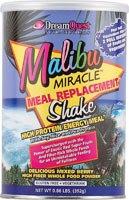
Then my Dr. comes in to talk to me.  He asks me if there is anything I'm currently taking daily.  I say No. He then goes through the list of medications I previously had to use frequently, and had refilled multiple times.  He clarifies that I am no longer taking any of the medications.  I say No.  He says how great it is.  He also comments on my weight, and says I look great. (Same Dr. who wanted me to weigh what I currently weigh.) He starts going through the list of questions that I always have to go through for a physical, and he asks if there is anything different.  I tell him that I am vegan now, as is my entire family.  He smiles and says I'm a girl after his heart.  I ramble about some things I have read, and reasons I switched over and he adds his own input because he is also mostly vegan with an occasional serving of fish and he still likes cheese.  I tell him I read about casein and how addictive cheese is, and he says it's true - and that it causes the same reaction as a drug.  He jokingly says he needs his cheese high. We talked about my history of being anemic, and ways to get iron - and I tell him we cook with a cast iron skillet, and I eat a lot of fruits and vegetables rich in iron and I pair them with vitamin C so my body can readily absorb them.  He asks if I take a multivitamin and I tell him I drink Malibu Miracle every morning with coconut water. 


We talked about slaughterhouses, and the practices that go along with that and how disturbing it is.  We also talked about how hard it is on our bodies to eat animal based foods. He was glowing, he was so happy to hear about my changes.  Before I left he came back out in the waiting room to shake my hand and told me I was making a great change and he was happy for me.


Before I left though, I also decide to tell him I'm going back to school next month, with the long term goal of being accepted to a nursing program. He says he wants to write a personal reference letter for me, just stating that he's known me for 4 years, and I'm highly intelligent and that he thinks I would do well in the program.  After I mention that I've heard that it is more likely to get accepted into the program if you have volunteered in an actual office and had some experience in the field to show that you really know what you are getting into, he says he would be happy to have me volunteer in his office at that time. He also says I could work and interact with the other Dr.'s and get more reference letters for my file.  Then he tells me I should go to med school.  I will work hard either way, it's just more of a commitment.  He thinks I would do really well, and I should think about it.  


So on a happiness scale of 1-10, right now... I'm a 10.


I like being a 10.


"The standard diet of a meat-eater is, flesh, veins, muscles, tendons,
cow secretions, hen periods and bee vomit.
And once a year during a certain holiday in November,
meat-eaters use the hollowed-out rectum of a 
dead bird as a pressure cooker for stuffing.
And people think vegans are weird because we eat tofu?" 

- vegan bodybuilder Robert Cheeke